
SEO is not changing; it has already changed.
And it has been one of the most asked questions in 2026. Is SEO still worth it in 2026?
The answer is: if you want to do SEO in the same old way, then NO, it is not worth it in 2026.
Yes, with AI summaries and zero-click searches, it feels like ranking a new website is harder than ever.
But SEO isn’t dead—it’s that old SEO died.
Some rules of the game have changed, not the goal.
Search is still massive.
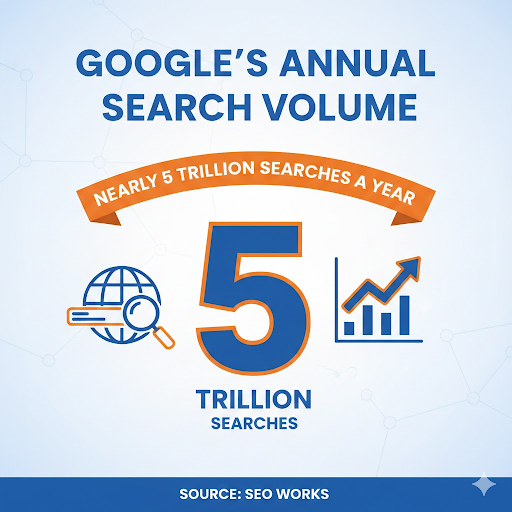
Google alone processes nearly 5 trillion searches a year.
And organic search continues to be one of the top sources of traffic for marketers.
But user behavior and search engine expectations have shifted dramatically.
Ranking in 2026 means earning relevance in a more competitive and AI-influenced environment.
So in this article, I’ll break down what’s changed and what still works.
And how you can realistically rank a new website. All without chasing outdated tactics or SEO myths.
Why ranking a new website feels harder in 2026
First of all, the web is more crowded than ever.
AI has made content creation extremely fast, so thousands of pages are published every minute. This means Google now sees far more content than it can rank, so it has raised the bar.
Secondly, new websites also start with zero trust.
They have no history.
No authority signals.
And no proof that users find them useful.
Older sites already have backlinks, engagement data, and topical depth, which puts new domains at a disadvantage.
On top of that, many new sites rely heavily on AI.
They publish generic content at scale. Google can recognize this pattern quickly now. So instead of rewarding volume, it looks for clear relevance and real value.
That’s why ranking feels harder today. Not because SEO stopped working. But because only useful and intentional websites move forward now.
Content strategy that works in 2026
In 2026, your content marketing strategy should not be publishing more pages than your competitors.
It should be to publish the right pages with a clear purpose.
As Google now evaluates how well your content solves a problem, not how often you hit a keyword.
For new websites, especially, content must show intent and usefulness from day one.
Everything you post should be there for a reason. Because without that, even well-written content will struggle to rank.
1. Search intent comes first
In 2026, ranking starts with understanding why someone is searching, not just what they are typing.
Keywords alone no longer tell the full story. Two people can search the same term with completely different expectations.
Google now looks closely at whether your content matches the intent behind the query. Is the user looking for information, a comparison, a solution, or a quick answer?
If your page format, depth, and tone don’t align with that intent, it won’t rank for long.
This is where many new websites fail. They write long articles for simple questions or shallow content for complex problems. The result is a mismatch that Google quickly detects.
When your content satisfies intent clearly and directly, rankings become a by-product, not the goal.
2. Using AI without getting burned
AI is not the problem in 2026. Uncontrolled use of AI is.
Many new websites fail because they publish raw AI-generated content without refinement. The text may look complete, but it often lacks clarity, flow, and human intent. Google recognizes this pattern quickly, especially on new domains.
This is where a word changer tool becomes useful. Instead of generating content from scratch, a word changer helps refine existing drafts.
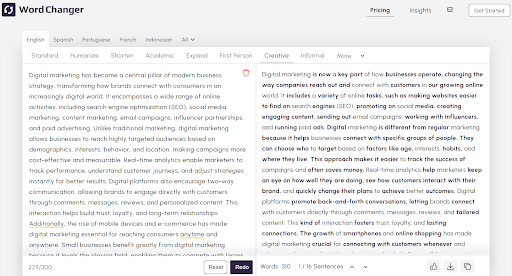
It rewrites sentences to sound more natural, removes repetition, and improves readability without changing the original meaning.
Used properly, it helps you:
- Fix awkward or robotic phrasing
- Improve flow without keyword stuffing
- Maintain consistency across pages
The key is control. You decide the message and intent. AI helps improve how it’s expressed. When AI supports your content instead of replacing your thinking, it becomes an advantage, not a risk.
3. On-page SEO that still matters
On-page SEO in 2026 is less about technical tricks and more about how your content feels to real users.
- Structure
- Clarity
- Readability
They play a bigger role than ever, especially for new websites trying to earn trust.
That’s why it has become valuable to humanize AI now. Because even after careful writing, AI-assisted content can sound unnatural.
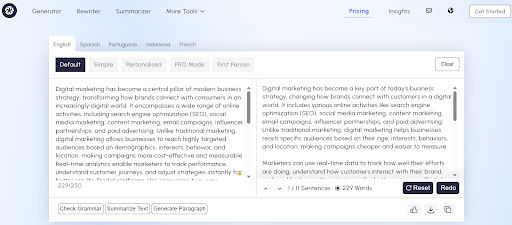
A humanizer helps smooth sentence flow, vary language patterns, and make the content feel more conversational and authentic.
When content feels human, users stay longer, scroll more, and engage naturally. These behavior signals reinforce relevance. Headings make sense, paragraphs are easy to scan, and ideas connect logically.
So while basics like proper headings and internal links still matter, making your content feel genuinely human is now a core part of on-page SEO.
4. Off-page SEO for new sites
Off-page SEO is where most new websites struggle in 2026.
Not because links stopped working. But because bad links hurt faster than quality backlinks help. New domains have no margin for error.
Google now evaluates link relevance and context very carefully. Random backlinks, automated placements, and irrelevant sites do more damage than good.
That’s why off-page SEO must be handled slowly and intentionally.
A professional link-building agency is quite helpful in this regard. A good agency focuses on relevance, real websites, and proper context instead of volume. It helps new sites build trust without triggering spam signals.
Services like Repute Post specialize in securing high-quality, niche-relevant backlinks from real publications.
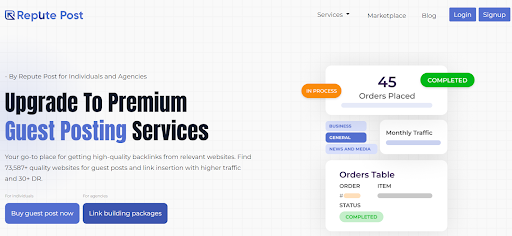
This approach aligns with how Google evaluates authority today. It’s not about getting many links quickly. It’s about earning the right links over time.
For new websites, off-page SEO is not optional. But it must be done carefully, or it can set your growth back months instead of moving it forward.
Conclusion
SEO in 2026 is not broken. It has only matured with AI.
Ranking a new website now require you to be clear, focused, and patient in your tactics and words.
As Google no longer rewards volume or generic content.
It rewards intent, usefulness, and relevance.
So, new websites that,
- Understand search intent
- Use AI responsibly
- Keep on-page content human
- And building links carefully still has a strong chance to rank.
So if you’re launching a new website in 2026, don’t chase old SEO formulas.
Build with purpose, stay consistent, and let trust grow naturally.
That’s how rankings are earned now.


