Building a good-looking website is only half the story. The real leap happens when SEO and web development work side by side from the start. When those two teams actually collaborate, your site doesn’t just look nice it ranks higher, loads faster, and feels better for users. Too often, developers focus on visuals and features and hope SEO will fix all the rest later. That’s a mistake. Smart sites bring both skill sets together right out of the gate. So, let’s dig into how this partnership powers better rankings and what you can do to tap into that for serious organic growth.
Why SEO and Web Development Need to Be a Team
These days, SEO is about a lot more than fitting the right keywords into a blog post. Search engines pay attention to technical quality, user experience, all those details behind the scenes and areas where web development makes or breaks you. If your pages crawl at a snail’s pace or frustrate visitors, good content won’t save you.
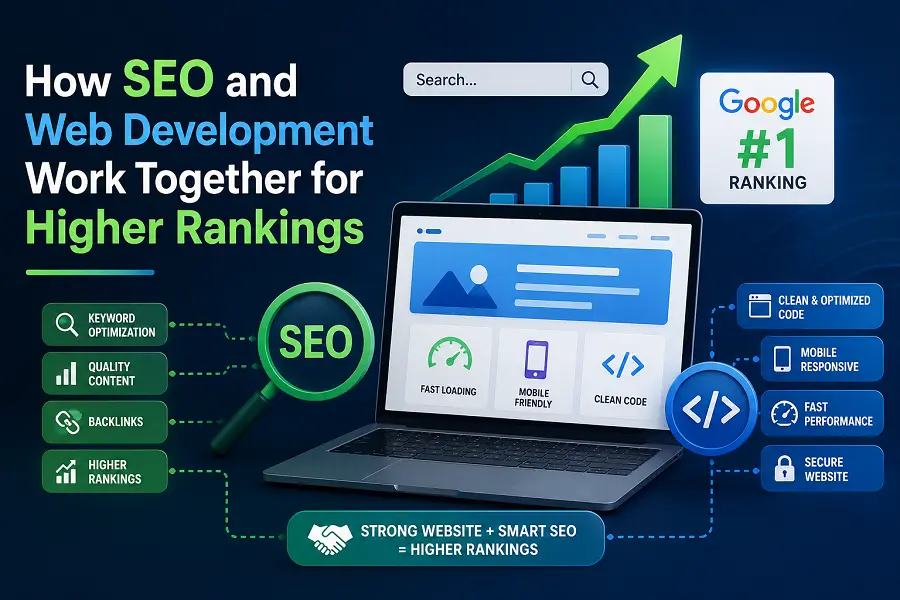
A sharp developer knows every line of code matters for search visibility. Stuff like clean HTML, thoughtful headings, optimized images, and logical URLs all send the right signals to Google. When development and SEO teams plan together, you dodge expensive mistakes down the road. You end up saving time, cutting bounce rates, and building a site that’s ready to grow.
Key Technical Elements That Drive SEO
Google cares about things only developers control. Speed is huge but if your site takes more than three seconds to load, you’re losing out. Developers tackle this by shrinking image sizes, trimming down CSS and JavaScript, and just writing better code.
Don’t forget mobile responsiveness. Mobile-first indexing means your site has to work perfectly on every screen. Build with responsiveness in mind, and you’re giving your SEO folks a head start.
Developers can also add schema markup, which helps your listings stand out in Google with rich snippets. These details take rankings from mediocre to excellent over time.
How Site Structure and Navigation Impact Your Rankings
A well-structured site lets search engines crawl your content easily. Developers who build logical URL hierarchies, trim your internal links, and add proper XML sitemaps make indexing a breeze.
Clear navigation keeps both users and search bots happy. When visitors get where they need to go with just a few clicks, they stick around longer and interact more like putting you in Google’s good books.
For webmasters using a hosting control panel, picking the right one matters. Some let you roll out updates and optimizations for speed and security without headaches— eeding straight into better SEO.
On-Page Optimization Starts With Development Choices
Developers make lots of calls that impact on-page SEO is like using proper semantic HTML instead of a mess of divs. Clean structure helps search engines understand your page. Add in optimized titles, smart image alt text, and quick server response times, and you’re on the right track.
Accessibility matters, too. Features like ARIA labels and keyboard navigation help all users including search engine crawlers. Google loves sites everyone can actually use.
When developers and content folks collaborate, you get pages that look great and climb search results. It’s always a team effort.
Picking the Right Tools and Platforms
Your hosting environment isn’t just background noise. Smart developers look for Cpanel alternatives and other platforms that offer more speed and flexibility, and don’t get in the way of SEO. The right platform can have a noticeable impact on site speed and stability.
Frameworks like Next.js, Nuxt, or even WordPress with solid caching plugins let you build fast, scalable, SEO-friendly websites without having to compromise on design.
Getting SEO and Development in Sync: Practical Next Steps
Start every project with both SEO and development needs on the table. Run technical audits upfront—not after launch when things get complicated. Don’t wait for bad news and use tools like PageSpeed Insights and Lighthouse while you build.
Help developers learn the basics of SEO, and get your SEO team comfortable with technical stuff. Sharing that knowledge, instead of locking it away, pays off fast.
Don’t skimp on communication. Spend time reviewing crawl errors, speed, mobile-friendly checks all together. Lots of small wins add up to big jumps in rankings over time.
SEO isn’t something you set and forget. As your site grows and changes, keep an eye on the tech side and tweak things as needed.
At the end of the day, the sites topping Google in 2026 are the ones where SEO and web development are partners. They load instantly and make perfect sense to visitors. If you treat these two as one team instead of two checklists, you set your site up to win.
Whether you’re working alone, running a small business, or teaming up at a bigger company, this stuff works. Start simple and stick with it. You’ll see your rankings climb and your users stick around for the long haul.