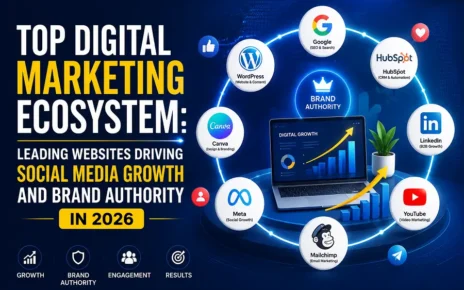

Moving a business online is no longer optional for companies that want to remain competitive and relevant. Whether driven by shifting consumer expectations or the need for operational efficiency, digital transformation opens the door to new opportunities for growth. However, the process can feel overwhelming, especially for small and mid-sized businesses that are unsure where to begin. Taking the right first steps is essential to building a strong digital foundation that supports long-term success. By approaching the transition strategically, businesses can avoid common pitfalls and create a seamless path into the digital world.
Assessing Your Current Business Structure
Before diving into new tools or platforms, it is important to evaluate your existing operations. This includes understanding how your business currently functions, identifying inefficiencies, and determining which processes would benefit most from digitization. A thorough assessment provides clarity and helps prioritize what needs to be addressed first.
Start by mapping out your workflows. Look at how data is collected, stored, and used across your organization. Identify manual tasks that could be automated or streamlined through digital solutions. This step is not just about technology; it is about improving how your business operates as a whole.
By taking the time to understand your starting point, you create a roadmap that aligns digital initiatives with your specific goals and challenges. This ensures that every change has a clear purpose and measurable impact.
Defining Your Digital Goals
Once you have a clear picture of your current structure, the next step is to define your objectives. What do you want to achieve by moving online? For some businesses, the focus may be on increasing sales through e-commerce. For others, it could involve improving customer communication or enhancing internal efficiency.
Clear goals help guide decision-making throughout the transition. They also provide benchmarks for measuring success. For example, if your goal is to improve customer engagement, you might track metrics such as website traffic, conversion rates, or social media interaction.
Setting realistic and specific goals ensures that your digital strategy remains focused. It also prevents unnecessary investments in tools or platforms that do not directly support your objectives.
Choosing the Right Technology and Tools
Selecting the right technology is one of the most critical steps in going digital. With countless platforms and solutions available, it is easy to feel overwhelmed. The key is to choose tools that align with your business needs and growth plans.
For instance, e-commerce platforms can help you sell products online, while customer relationship management systems improve how you interact with clients. Cloud-based solutions offer flexibility and scalability, making them ideal for businesses that expect to grow.
Working with a helpful digital transformation consulting firm can simplify this process. These experts can recommend solutions tailored to your industry and ensure that your technology choices integrate smoothly with existing systems. Their guidance reduces the risk of costly mistakes and helps you build a cohesive digital ecosystem.
Building a Strong Online Presence
Going digital is not just about internal systems; it is also about how your business appears to the outside world. Establishing a strong online presence is essential for attracting and retaining customers.
Start with a professional website that clearly communicates your brand, products, or services. Ensure that it is mobile-friendly and easy to navigate. In addition to your website, consider leveraging social media platforms to connect with your audience and build brand awareness.
Search engine optimization is another key component. By optimizing your content for search engines, you increase your visibility and make it easier for potential customers to find you online. Consistent branding and messaging across all platforms help create a cohesive and trustworthy image.
A well-developed online presence serves as the foundation for your digital strategy, enabling you to reach a wider audience and compete effectively in the marketplace.
Training Your Team and Embracing Change
Technology alone does not drive success; people do. As you implement new systems and processes, it is essential to prepare your team for the changes ahead. This involves providing training, setting expectations, and fostering a culture that embraces innovation.
Employees need to feel confident using new tools and understand how they contribute to business goals. Offering hands-on training sessions and ongoing support can make the transition smoother. Encouraging open communication also helps address concerns and build trust within the team.
Change can be challenging, but it also presents opportunities for growth. When employees are engaged and informed, they are more likely to adopt new technologies and contribute to the success of your digital initiatives.
Conclusion
Taking a business online is a significant step that requires careful planning and execution. By assessing your current operations, defining clear goals, selecting the right tools, building a strong online presence, and supporting your team through the transition, you can create a digital strategy that drives meaningful results. With the right approach, moving online becomes less about navigating complexity and more about unlocking new potential for growth and innovation.