In today’s data-driven world, digital analytics plays a central role in how organizations understand performance, user behavior, and operational efficiency. From marketing dashboards to industrial systems, data is constantly being collected, processed, and analyzed to inform decision-making. However, gathering data is only one part of the equation. Equally important is how that data is monitored and controlled by users.
As digital ecosystems grow more complex, users need reliable tools and strategies to ensure that data remains accurate, secure, and actionable. Whether in a corporate setting, a manufacturing environment, or a cloud-based analytics platform, effective monitoring and control enable organizations to turn raw information into meaningful insights. Understanding these processes reveals just how critical user interaction is in maintaining the integrity of modern analytics systems.
Real-Time Data Monitoring and Visualization
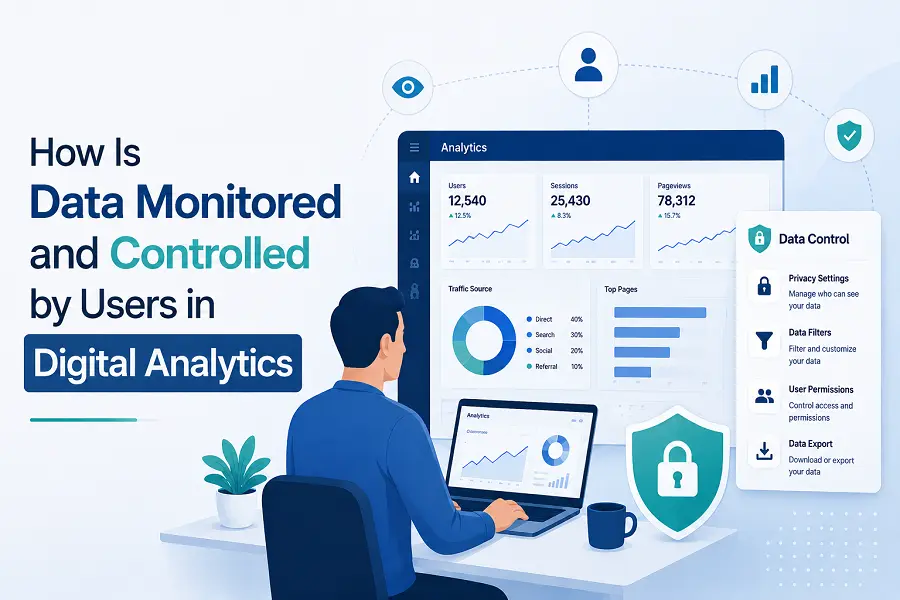
One of the most fundamental ways users interact with digital analytics is through real-time monitoring. Modern analytics platforms provide dashboards that display live data streams, allowing users to track key performance indicators as they evolve. These dashboards are often customizable, enabling users to focus on the metrics that matter most to their specific goals.
Visualization tools play a key role in this process. Charts, graphs, and heatmaps transform complex datasets into digestible formats that can be quickly interpreted. This reduces the need for manual data analysis and makes it easier to identify trends, anomalies, or potential issues.
Real-time monitoring also allows for immediate response. If a system detects irregularities, such as a sudden drop in performance or unexpected user behavior, alerts can be triggered. These alerts enable users to take corrective action before small problems escalate into larger ones.
User Access Controls and Permissions
Data control is not just about visibility. It is also about determining who has access to specific information and what actions they are allowed to perform. User access controls are a critical component of digital analytics systems, ensuring that sensitive data is only accessible to authorized individuals.
Role-based access is one of the most common approaches. In this model, users are assigned roles that define their permissions, such as viewing data, editing dashboards, or managing system configurations. This structure helps maintain data integrity while preventing unauthorized changes.
In more advanced systems, access controls can be highly granular. Users may be restricted to specific datasets, functions, or timeframes. This level of control is especially important in industries where regulatory compliance and data privacy are major concerns.
By implementing strict access controls, organizations can maintain trust in their analytics systems and ensure that data remains both secure and reliable.
Data Integration and System Interoperability
Digital analytics rarely operates in isolation. Instead, it often pulls data from multiple sources, including databases, sensors, applications, and external platforms. Managing this flow of information requires seamless integration between systems.
Users play an important role in configuring these integrations. They must ensure that data sources are properly connected, synchronized, and formatted for consistent analysis. This often involves setting rules for data collection, defining parameters for data transformation, and validating the accuracy of incoming information.
In industrial and operational environments, platforms such as SCADA software are frequently used to collect and manage data from machinery and control systems. These tools allow users to monitor processes in real time while maintaining centralized control over how data is processed and distributed.
Successful integration depends on both technology and oversight. Without careful management, discrepancies between data sources can lead to inaccurate insights and poor decision-making.
Data Governance and Quality Assurance
Maintaining high data quality is essential for effective analytics. Users are responsible for implementing data governance practices that ensure accuracy, consistency, and completeness. This includes establishing standards for how data is collected, stored, and processed.
Data validation is a key component of quality assurance. Users can set rules that automatically check for errors, such as missing values or outliers. These checks help identify issues early and prevent flawed data from influencing analysis.
Auditing and logging also play a role in data governance. By tracking changes and user activity, organizations can maintain transparency and accountability. This is particularly important in environments where data is used for critical decision-making or regulatory reporting.
Strong governance practices not only improve the reliability of analytics but also build confidence among users who rely on the data to guide their actions.
Automation and User Oversight
Automation has become a major feature of digital analytics, allowing systems to process data, generate reports, and even make recommendations without constant human input. While automation increases efficiency, user oversight remains essential.
Users are responsible for configuring automated workflows and ensuring that they align with organizational goals. This includes setting parameters, defining thresholds, and reviewing outputs to confirm accuracy. Automation can handle repetitive tasks, but it still requires human judgment to interpret results and make strategic decisions.
Balancing automation with oversight is key to maintaining control. Too much reliance on automated processes can lead to complacency, while too much manual intervention can reduce efficiency. The most effective systems strike a balance that leverages the strengths of both approaches.
By staying actively engaged, users ensure that automated analytics remain a valuable tool rather than a potential source of error.
Conclusion
Data monitoring and control in digital analytics is a dynamic process that relies heavily on user involvement. From real-time visualization to access management and quality assurance, users play a central role in ensuring that analytics systems function effectively and securely.
As technology continues to evolve, the tools available for managing data will become even more advanced. However, the need for thoughtful oversight and strategic decision-making will remain constant. By understanding and actively managing how data is monitored and controlled, organizations can unlock the full potential of digital analytics while minimizing risks and maintaining trust in their systems.