
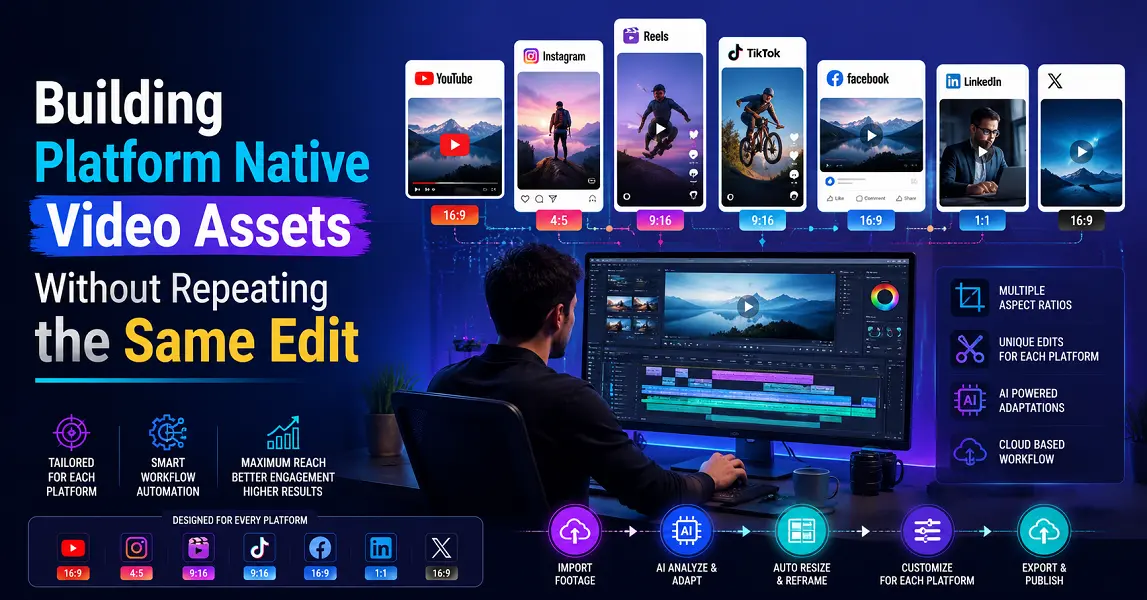
Teams often reach for video because it feels immediate, yet immediacy can hide weak planning, unclear evidence, or unnecessary production work. For SEO teams, content marketers, and social media managers, the immediate problem is adapting one campaign idea to different channels without producing generic duplicates. A workable approach must preserve context, make revision possible, and keep the audience’s needs ahead of the novelty of the tool.
This article develops that approach through the working principle to create a shared message core, then design native openings and pacing for each channel. An AI Video Maker can support the production stage, but the quality of the result still depends on a clear brief, stable references, and review standards that exist before generation begins.
Understand the Real Communication Constraint
A campaign message can remain consistent while its delivery changes substantially by platform. Search-oriented pages need explanatory depth, short-form feeds need immediate visual context, and professional networks reward a different pace from entertainment channels. Simply cropping the same master video produces assets that fit the screen but not the audience’s viewing behavior.
The useful question is therefore not whether AI can create an image or clip. It is whether the resulting asset helps the intended reader make the right judgment. In a content team supporting one evergreen article across search and social channels, a responsible workflow defines the decision first, limits the visual claim, and records which elements are authentic, illustrative, or still provisional.
Separate the Message Core From Delivery
1. Write a Channel Neutral Claim
Define the one useful idea every version must communicate. Keep it factual and specific enough to survive a change in tone, length, or visual style. This prevents adaptation from turning into a different campaign. Write the intended decision into the brief and review it again after generation. This simple check prevents visual polish from becoming a substitute for relevance.
2. Design a Native Opening
Build the first seconds around the viewer’s context. A vertical feed may need motion and a direct statement immediately, while a professional audience may respond better to a concise problem and supporting visual evidence. Keep both rejected and approved versions with short notes. The comparison helps collaborators understand the standard and makes later revisions faster and more consistent.
3. Generate Purposeful Variations
Change aspect ratio, framing, scene order, and caption density because the channel requires it, not merely to create more files. Each variation should have a documented destination and reason to exist. Ask a colleague who was not involved in prompting to describe what the result appears to claim. Any gap between that reading and the intended message should be corrected before export.
4. Rehearse the Message With Real Readers
Test comprehension with people who have the right context but no knowledge of the generation process. A small sample of SEO teams, content marketers, and social media managers should be able to identify the purpose, limits, and next step without a verbal explanation from the creator. Ask reviewers to mark any moment that feels uncertain, overly perfect, or unsupported by the surrounding information. Then group their comments by message, evidence, usability, and tone. This keeps revision focused and prevents the loudest opinion from controlling the edit. For a content team supporting one evergreen article across search and social channels, review both the full asset and the shortened version likely to circulate independently. Record the resulting decision in one or two sentences, including what changed and why. This prevents the same ambiguity from reappearing during adaptation and gives the final approver a concise explanation of how audience evidence influenced the finished asset.
5. Package the Decisions for Handoff
The handoff should make responsibility visible. Name the owner of the final export, the reviewer for factual or technical accuracy, and the person who controls publication. Package the source frame, generation notes, captions, and approved file so the relationship between them remains clear. Add a brief change log if the asset passes through another editor. This is not administrative padding; it protects the judgment already invested in the work. For SEO teams, content marketers, and social media managers, the record provides continuity when staff, contractors, or deadlines change and reduces the chance that an unapproved draft is mistaken for the release version. Review the archive after the first real reuse and remove anything that caused confusion. A living handoff record becomes more valuable than a static checklist because it reflects the problems collaborators actually encountered when they adapted, reviewed, or published the work.
Apply the Workflow to a Real Project
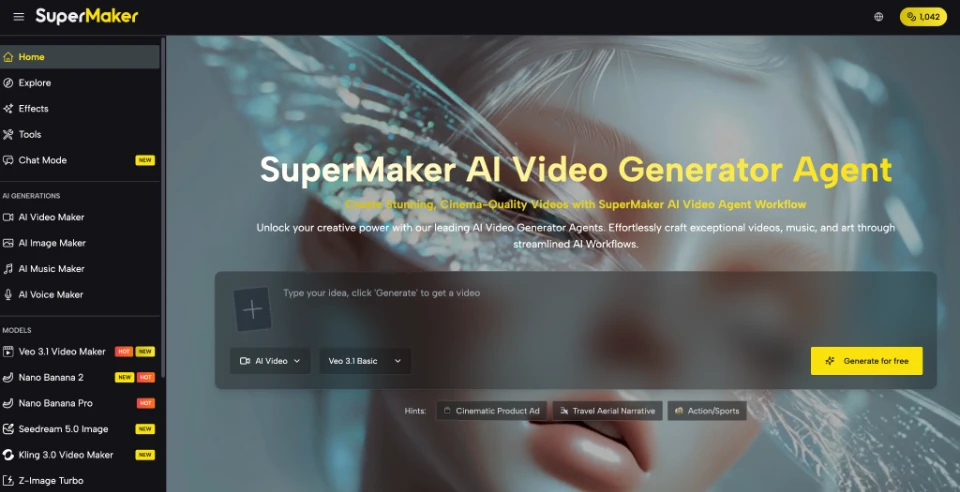
An AI Image Maker can establish a consistent subject and visual language across the campaign. The AI Video Maker then allows the team to choose an aspect ratio and create distinct motion concepts for vertical or landscape delivery while preserving the same approved reference.
Before publishing, review the asset in its final context rather than only inside the generation interface. Check captions, dates, names, logos, factual claims, transitions, and the way the opening frame may be interpreted without sound. Save the approved source and export together so later edits do not quietly replace a verified version with a fresh generation.

Check Each Channel Before Distribution
Quality control should reflect the environment in which the work will appear. View the asset on a phone, confirm that essential text remains readable, and check whether the first frame still makes sense when separated from the article or campaign around it. If the subject involves a real person, event, product, or measurable result, confirm that the visual treatment does not imply evidence the project does not possess.
The team should also record the practical cost of the final asset: generations used, review time, manual corrections, and any specialist work added after export. In a content team supporting one evergreen article across search and social channels, those notes reveal whether the process can be repeated responsibly. They also help future creators start from an approved brief instead of rebuilding the same decisions from memory.
Good Visual Systems Protect Human Judgment
Platform-native production is not endless customization. It is a controlled separation between the message that must remain stable and the delivery choices that should change with audience behavior. The final review should therefore ask not only whether the asset looks finished, but whether its origin, limits, and intended use remain understandable to everyone who handles it.
That model lets content teams expand distribution without diluting the campaign, and it creates more useful assets than a folder of mechanically resized exports. Over time, this creates a library of decisions, references, and approved examples that improves consistency without reducing every project to the same visual formula. This discipline also makes future evaluation faster and more defensible.