Introduction
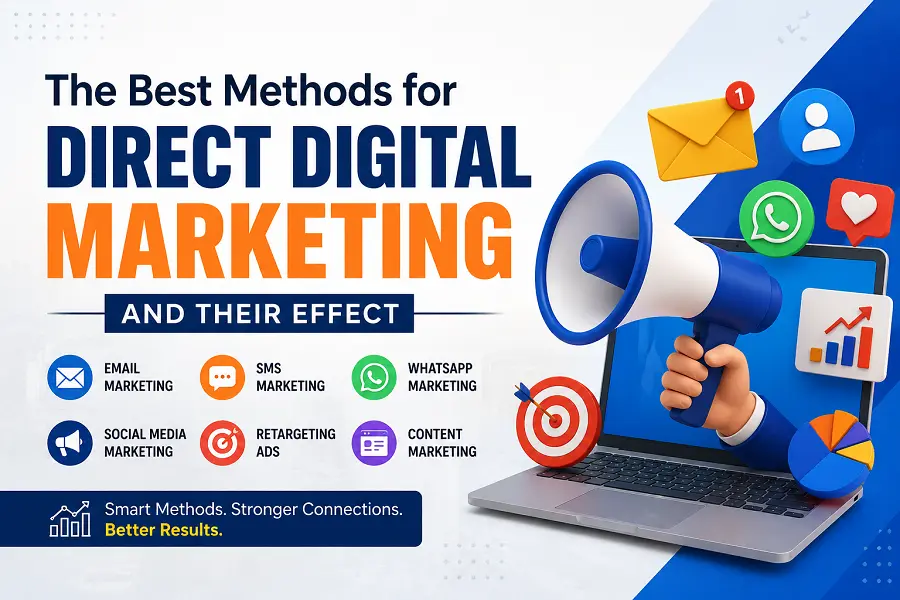
Direct digital marketing has transformed the way businesses connect with their audiences. Instead of relying on broad messaging that may or may not reach the right people, brands now have the ability to speak directly to individuals in a more personalized and measurable way. This shift has not only improved engagement but has also made marketing efforts more efficient and cost-effective.
As digital platforms continue to evolve, companies are exploring new methods to strengthen their outreach and build lasting relationships with their customers. From email campaigns to mobile messaging, each method offers unique advantages that contribute to a well-rounded strategy. Understanding these tools and their real-world impact is key to making the most of modern marketing efforts.
Email Marketing and Personalization
Email marketing remains one of the most effective forms of direct digital communication. Its strength lies in its ability to deliver highly targeted messages directly to a user’s inbox. When done correctly, it can foster meaningful engagement and drive consistent results over time.
Personalization is what sets successful email campaigns apart. By segmenting audiences based on behaviors, interests, or demographics, businesses can craft messages that feel relevant and timely. For example, sending tailored product recommendations or follow-up messages based on past purchases can significantly increase conversion rates.
In addition, automation tools allow marketers to create drip campaigns that nurture leads without requiring constant manual input. This combination of personalization and efficiency makes email marketing a cornerstone of any direct digital strategy.
Social Media Direct Messaging and Engagement
Social media platforms have become more than just spaces for content sharing. They now serve as active communication channels where brands can engage directly with customers in real time. Features like direct messaging, comments, and interactive posts allow for two-way conversations that feel authentic and immediate.
Direct messaging on platforms such as Instagram, Facebook, and LinkedIn enables businesses to handle inquiries, provide support, and even close sales within the platform itself. This level of accessibility builds trust and enhances the customer experience.
Moreover, social media advertising can be targeted with impressive precision. Businesses can reach specific audiences based on interests, behaviors, and online activity, ensuring that their message lands in front of the right people. The combination of direct communication and targeted visibility makes social media a powerful tool in digital marketing.
SMS Marketing and Instant Reach
SMS marketing offers a level of immediacy that few other channels can match. Messages are typically opened within minutes, making this method ideal for time-sensitive promotions, reminders, or updates. Its simplicity also contributes to its effectiveness, as recipients can quickly read and respond without distractions.
One particularly efficient approach involves using short code SMS, which allows businesses to send messages from easy-to-remember numbers. This method is especially useful for large-scale campaigns, such as promotions or event notifications, where quick recognition and response are important.
However, success in SMS marketing depends heavily on timing and relevance. Sending too many messages or delivering content that lacks value can lead to opt-outs. When used thoughtfully, SMS can strengthen engagement and keep a brand top of mind without overwhelming the audience.
Content Marketing with Direct Calls to Action
Content marketing plays a vital role in supporting direct digital strategies. While blog posts, videos, and articles may seem less direct, they often guide users toward specific actions through clear and intentional calls to action.
For example, a well-written article can encourage readers to sign up for a newsletter, download a resource, or make a purchase. When combined with data insights, content can be tailored to align with user intent, making it more effective in driving results.
Additionally, content helps build authority and trust. When audiences perceive a brand as knowledgeable and helpful, they are more likely to engage with its direct marketing efforts. This connection between content and action strengthens the overall impact of a marketing campaign.
Data Analytics and Continuous Optimization
No direct digital marketing strategy is complete without data analysis. One of the biggest advantages of digital channels is the ability to track performance in real time. Metrics such as open rates, click-through rates, and conversion rates provide valuable insights into what is working and what needs improvement.
By analyzing this data, businesses can refine their strategies and make informed decisions. For instance, adjusting the timing of emails, testing different message formats, or experimenting with audience segmentation can lead to better outcomes.
Continuous optimization ensures that marketing efforts remain effective as trends and consumer behaviors evolve. It also allows businesses to maximize their return on investment by focusing on strategies that deliver consistent results.
Conclusion
Direct digital marketing has reshaped how businesses communicate with their audiences, offering tools that are both efficient and impactful. From personalized emails to real-time messaging and data-driven insights, each method contributes to a more connected and responsive marketing approach.
By understanding and combining these strategies, businesses can create meaningful interactions that drive both engagement and growth. In a constantly changing digital landscape, staying adaptable and informed is essential to maintaining a competitive edge and achieving long-term success.