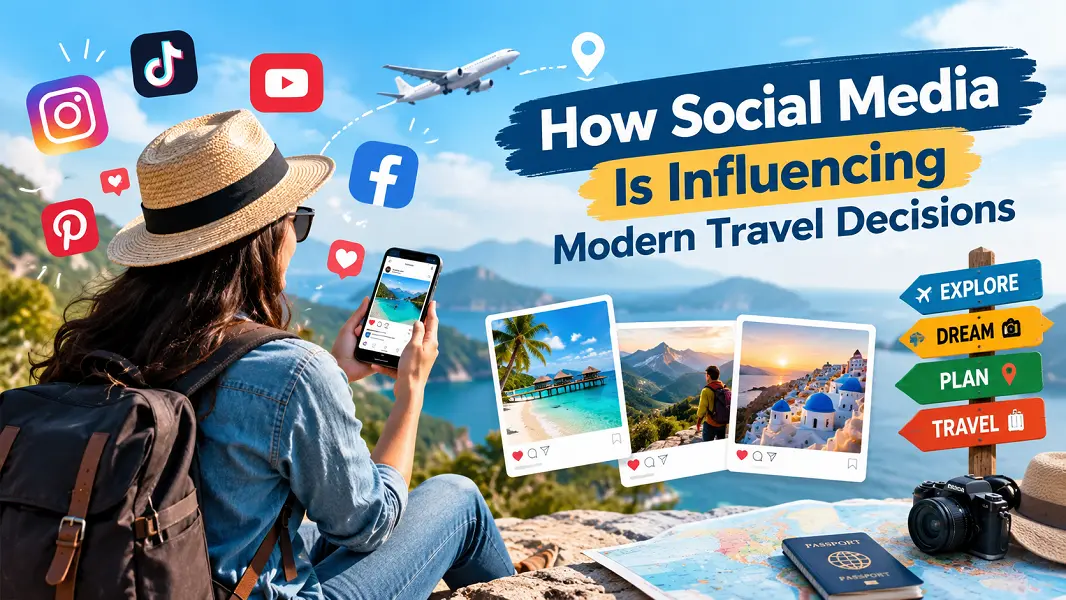
The way people plan and experience travel has changed dramatically over the past decade. Social media platforms have evolved into powerful tools that shape where people go, how they get there, and what they do once they arrive. From Instagram-worthy destinations to TikTok travel hacks, digital content is now a driving force behind modern travel decisions. Understanding this shift helps both travelers and the broader travel industry adapt to a rapidly evolving landscape.
The Rise of Visual Inspiration in Travel Planning
Before social media, travelers relied on travel agents, guidebooks, and word-of-mouth recommendations to plan their trips. Today, a single stunning photograph shared on Instagram or Pinterest can spark a genuine desire to visit a destination someone had never even considered before. Platforms built around visual content make it remarkably easy for users to discover new places, cuisines, and experiences in real time. The aspirational nature of these images creates an emotional pull that traditional advertising simply cannot replicate. This visual-first approach to travel discovery has fundamentally changed how destinations market themselves to potential visitors.
How Influencers Are Shaping Destination Trends
Travel influencers have emerged as some of the most trusted voices in the industry, often carrying more weight than traditional travel publications ever did. When a popular content creator documents their experience at a hidden beach or a boutique hotel, their audience takes notice and frequently follows suit. This phenomenon, sometimes called the “influencer effect,” has led to previously unknown destinations experiencing sudden surges in tourism almost overnight. Brands and tourism boards have recognized this power and are investing heavily in influencer partnerships to reach highly targeted audiences. The result is a travel industry increasingly shaped by individual voices rather than centralized marketing campaigns.
User-Generated Content and Authentic Travel Experiences
One of the most significant shifts social media has brought to travel is a growing emphasis on authenticity. Travelers today are not just consuming polished brand content; they are actively seeking out real reviews, honest travel vlogs, and unfiltered experiences shared by everyday people. User-generated content has become one of the most trusted sources of travel information, giving potential visitors a genuine sense of what to expect at any given destination. This transparency has raised the bar for hotels, airlines, and tour operators, who now understand that every experience has the potential to be shared with thousands of people. Businesses that prioritize quality and customer experience are thriving, while those that fall short are quickly and publicly called out.
The Impact of Social Media on Spontaneous Travel Decisions
Social media has also accelerated the pace at which travel decisions get made. Flash deals shared on Twitter, last-minute opportunities posted in Facebook groups, and trending destination videos on TikTok have all contributed to a culture of spontaneous travel. Aviation professionals sourcing ground support equipment such as aircraft tugs for sale increasingly turn to social media communities and online marketplaces to find the best options, reflecting just how deeply digital platforms have penetrated every corner of the travel and aviation world. Travelers are more comfortable than ever booking trips with shorter lead times, driven by a fear of missing out on experiences they see trending online. This shift has pushed airlines and hospitality providers to offer more flexible booking options for this new wave of impulsive travelers.
The Double-Edged Sword of Over-Tourism
While social media has opened up the world to more travelers, it has also contributed to a growing problem of over-tourism. Destinations that go viral can quickly become overwhelmed with visitors, putting real pressure on local infrastructure, ecosystems, and communities. Places like Santorini, Bali, and Iceland have all felt the strain that comes with sudden popularity spikes fueled by social media exposure. Many local governments and tourism boards are now working to manage visitor numbers and encourage travelers to explore lesser-known areas instead. Encouragingly, the conversation around responsible and sustainable travel is gaining momentum, largely because social media also provides a platform for these important discussions.
Conclusion
Social media has fundamentally transformed how modern travelers discover, plan, and share their experiences. It has democratized travel inspiration, amplified individual voices, and created a culture of instant decision-making that continues to evolve with every new platform update. While challenges like over-tourism and unrealistic expectations remain real concerns, the overall impact of social media on travel has opened doors to destinations and experiences that many people never would have considered otherwise. As platforms continue to develop and new technologies emerge, the relationship between social media and travel will only grow deeper and more fascinating.